Oil Furnace Specialists
Oil Furnace Repair in Elwood, NY
Experienced oil furnace and oil burner repair for dependable winter heat in Elwood and Huntington homes.
Oil Furnace Specialists
Experienced oil furnace and oil burner repair for dependable winter heat in Elwood and Huntington homes.
Oil furnaces are dependable when the burner, fuel system, ignition, combustion, venting, and airflow are working together correctly. When one part of that system falls out of adjustment or fails, the furnace may lock out, produce smoke, cycle poorly, create odors, or stop heating completely. Elwood Heating Inc. provides careful oil furnace diagnostics for homes in Elwood and Huntington.
Oil heating problems should not be handled by repeatedly pressing the burner reset button. Repeated resets can allow unburned fuel to collect and may create a hazardous ignition condition. Our technicians identify why the burner stopped, inspect the relevant components, and determine whether cleaning, adjustment, fuel-system service, electrical repair, or part replacement is needed.
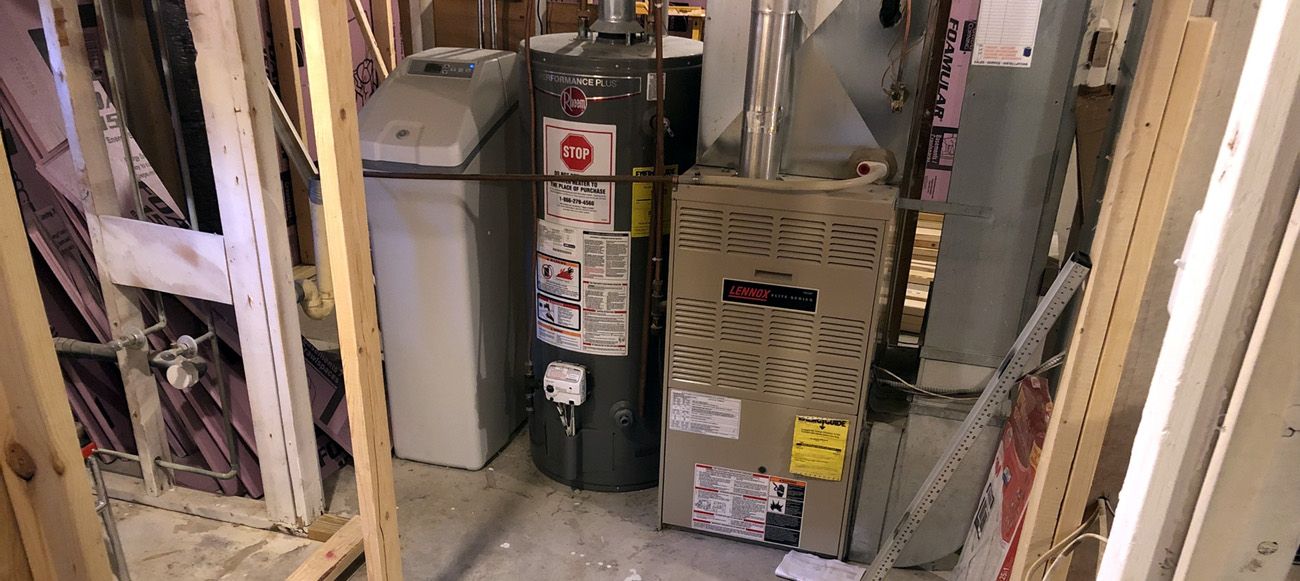
Oil furnace symptoms often overlap. A burner lockout might be caused by an empty tank, clogged filter, blocked nozzle, ignition problem, weak transformer, pump issue, poor combustion, control failure, or another condition. We work through the fuel and ignition sequence methodically to avoid replacing parts without confirming the cause.
A locked-out burner has stopped after failing to establish or maintain flame. We check the fuel supply, burner controls, ignition, nozzle, pump, flame-detection system, and combustion conditions. Repeatedly resetting the burner is discouraged because it can introduce excess oil into the chamber.
The furnace may lose fuel flow because of a low tank, closed valve, clogged filter, restricted line, air in the system, pump issue, or tank-related condition. We inspect accessible fuel components and determine where delivery is being interrupted.
Oil filters and burner nozzles can become restricted or worn. Proper replacement requires more than installing a part with a similar appearance. The nozzle specification, burner setup, fuel condition, and combustion results all matter to reliable operation.
A weak or absent ignition spark can prevent oil from lighting properly. We evaluate the ignition transformer or electronic igniter, electrodes, wiring, burner setup, and related controls before determining the repair.
Visible soot, smoke, rumbling, or dark staining can indicate poor combustion, restricted venting, delayed ignition, incorrect burner setup, or equipment damage. The furnace should be shut down and evaluated rather than allowed to continue operating.
Oil odors may come from a spill, leak, delayed ignition, incomplete combustion, venting concern, or residual fuel after service. We inspect the furnace and accessible fuel components to identify the likely source and recommend the appropriate correction.
The burner depends on a motor and pump to deliver and atomize fuel. Humming, failure to start, intermittent operation, or poor pressure can point to electrical or mechanical problems. We test the assembly before replacing major components.
The burner control relies on flame-detection feedback to determine whether combustion is established. A dirty sensor, weak signal, wiring issue, control fault, or actual flame problem can cause shutdown. We test the complete safety circuit.
Oil equipment needs appropriate draft and combustion conditions to operate safely and cleanly. We examine visible venting conditions and burner performance, then identify when further cleaning, adjustment, or chimney-related evaluation may be required.
Even when the burner is operating, a weak blower, clogged filter, dirty wheel, or duct restriction can reduce comfort and cause overheating. We evaluate the air side of the furnace along with the oil burner.
| Service | Typical Range | Average |
|---|---|---|
| Oil furnace diagnostic | $175–$325 | $250 |
| Filter, nozzle, or minor burner repair | $300–$700 | $500 |
| Ignition, control, or pump repair | $500–$1,300 | $850 |
| Major burner or blower repair | $900–$2,200 | $1,450 |
Oil furnace repair pricing varies with burner type, required cleaning, fuel-system condition, parts, access, combustion setup, and the cause of the failure.
We understand the relationship between fuel delivery, ignition, flame detection, combustion, venting, and airflow.
We determine why the burner locked out instead of relying on repeated resets or one-part assumptions.
Oil equipment can be messy, so we protect the work area, organize removed parts, and clean up after service.
We explain whether the repair is reasonable and when the age or condition of the furnace may justify replacement planning.
Have your oil furnace checked before another reset, shutdown, or loss of heat.
We ask about lockouts, reset attempts, odors, smoke, noises, recent fuel delivery, and changes in heating performance.
The technician checks the oil supply, accessible valves, filter, lines, burner, and visible signs of leakage or restriction.
We evaluate the motor, pump, ignition, nozzle, controls, flame detection, and operating sequence as appropriate.
Soot, smoke, draft, burner setup, and visible exhaust conditions are considered before the furnace is returned to service.
You receive a clear description of the failure, required parts or cleaning, and any concern affecting future reliability.
After approved work, we operate the furnace, confirm stable burner performance, and check heat delivery.
Common causes include a clogged filter or nozzle, air or restriction in the fuel line, weak ignition, a dirty flame sensor, or a pump problem. Avoid pressing the reset button more than once; repeated resets can flood the chamber with unburned oil.
Typically once a year as part of annual service. Fresh filters and a correctly specified nozzle protect the pump, keep combustion clean, and prevent many mid-winter lockouts.
Soot and smoke indicate incomplete combustion, often from a worn nozzle, incorrect burner setup, draft problems, or a blocked heat exchanger. Shut the system down and have it inspected before running it further.
After the tank is filled, the fuel line often needs to be bled of air and the burner primed and restarted. We also check the filter, since a low tank can pull sediment into the fuel system.
Yes. We service the common residential oil burners found throughout Elwood and Huntington, along with the tanks, lines, filters, and controls that support them.