Ready Before the First Freeze
Furnace Maintenance in Elwood, NY
Seasonal furnace tune-ups that improve safety, reliability, airflow, and everyday heating performance.
Ready Before the First Freeze
Seasonal furnace tune-ups that improve safety, reliability, airflow, and everyday heating performance.
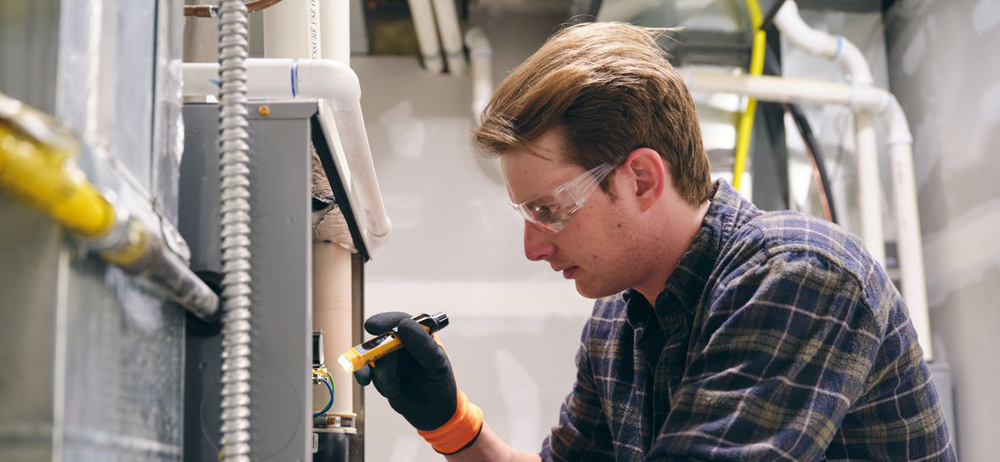
Furnace maintenance gives you a chance to address wear, dirt, airflow restrictions, and operating concerns before the system is working its hardest. It cannot prevent every breakdown, but it can reduce avoidable problems and provide a clearer picture of the furnace's condition before cold weather arrives.
Elwood Heating Inc. maintains gas and oil furnaces for homeowners in Elwood and Huntington. Our maintenance visits combine inspection, appropriate cleaning, operational testing, and clear communication. We do not treat a tune-up as a sales appointment. If we find a repair concern, we explain what it is, why it matters, and whether it needs immediate attention or can be monitored.
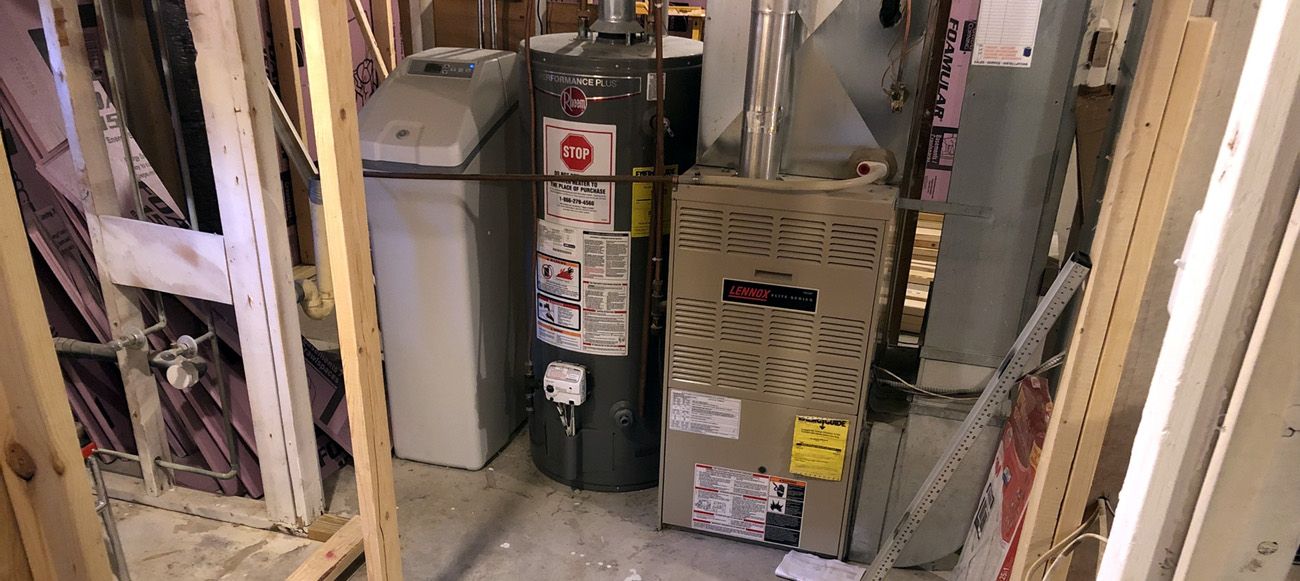
Maintenance tasks vary by furnace design, age, fuel type, and condition. We follow the needs of the equipment rather than using one identical checklist for every system. The visit is intended to confirm safe operation, support efficient performance, and identify developing problems while there is still time to plan.
We inspect the furnace cabinet, accessible wiring, controls, vent connections, fuel components, blower area, filter arrangement, and surrounding mechanical space. Signs of corrosion, overheating, moisture, loose connections, soot, or previous improper work are noted and discussed.
The technician checks the filter condition and confirms that air can move through the system. We look for obvious return or supply restrictions, blower concerns, and temperature patterns that may indicate inadequate airflow or excessive furnace temperature.
For gas furnaces, we inspect relevant ignition, flame-sensing, and burner operation. For oil furnaces, the maintenance approach reflects the burner, nozzle, filter, pump, combustion, and soot conditions associated with that equipment. Required work depends on the system.
The blower distributes heated air and can affect both comfort and furnace temperature. We check operation, listen for unusual motor or wheel noise, and look for conditions that could reduce airflow or lead to future failure.
Furnaces use switches and controls to manage ignition, flame, temperature, pressure, and shutdown. We test relevant operation and watch the complete heating cycle to confirm that the furnace responds as expected.
Safe venting is essential. We inspect accessible vent connections and look for deterioration, improper slope, loose sections, blockage indicators, or other visible concerns. Any condition requiring specialized correction is clearly identified.
Supply and return temperatures help show how the furnace is transferring heat and moving air. When appropriate, we compare the observed temperature change with the equipment's expected range and investigate readings that suggest restricted airflow or performance concerns.
We confirm that the thermostat calls for heat, ends the cycle, and communicates properly with the furnace. Settings and scheduling concerns can also be reviewed so the system operates in a way that matches the household's routine.
At the end of the visit, we summarize the furnace condition, completed work, filter needs, repair recommendations, and items worth monitoring. You receive practical information rather than a vague pass-or-fail statement.
| Service | Typical Range | Average |
|---|---|---|
| Gas furnace maintenance | $175–$325 | $250 |
| Oil furnace maintenance | $250–$500 | $375 |
| Maintenance with minor adjustment | $250–$600 | $400 |
| Maintenance with additional cleaning | $350–$750 | $525 |
Pricing depends on fuel type, furnace condition, accessibility, required cleaning, and whether repair parts or additional labor are needed.
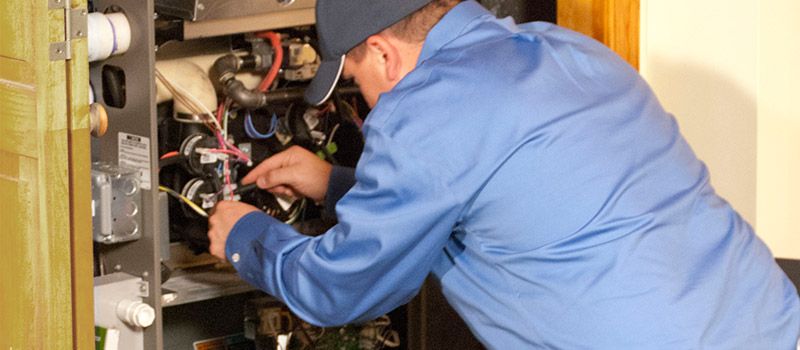
We use the visit to care for the furnace and explain its condition, not to manufacture a reason for replacement.
Gas and oil furnaces have different maintenance needs, and our approach reflects the equipment in your home.
You learn what was checked, what was completed, and which concerns may deserve attention.
We understand the demands placed on heating systems during Long Island winters and help homeowners prepare before peak cold.
Give your furnace a thorough check before the next stretch of cold weather.
We ask about recent repairs, unusual sounds, comfort changes, fuel use, and any problems from the previous heating season.
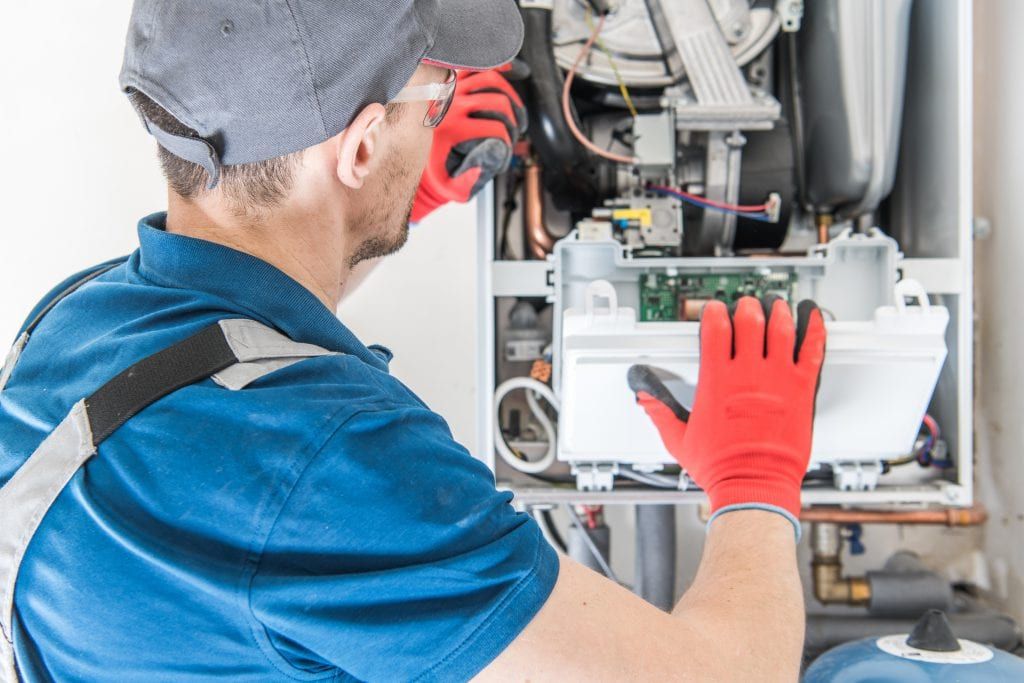
The technician checks the furnace condition, filter, controls, blower, fuel components, venting, and accessible connections.
Appropriate maintenance tasks are performed based on the furnace design, fuel type, age, and observed condition.
We start the furnace, observe ignition and heating, check airflow, and confirm normal shutdown.
Developing wear, safety issues, airflow restrictions, and repair needs are documented and explained.
We discuss the furnace's current condition and offer practical recommendations for the coming heating season.
Late summer or early fall, before the heating season begins. That timing catches problems while there is still time to fix them and helps you avoid the mid-winter rush.
Yes. A yearly visit verifies safe combustion and venting, restores airflow, catches wear before it becomes a breakdown, and keeps the system efficient. Some manufacturer warranties also expect documented annual service.
Plan on about an hour for most gas furnaces. Oil equipment usually takes longer because filter, nozzle, and combustion service is part of proper annual care.
Yes. Our maintenance is fuel-specific: oil systems get the burner, filter, nozzle, and combustion attention they need rather than a generic gas-furnace checklist.
Change the filter regularly, keep supply and return vents unblocked, keep storage away from the furnace, and test your thermostat and carbon monoxide detectors. Leave combustion, electrical, and internal cleaning work to a technician.