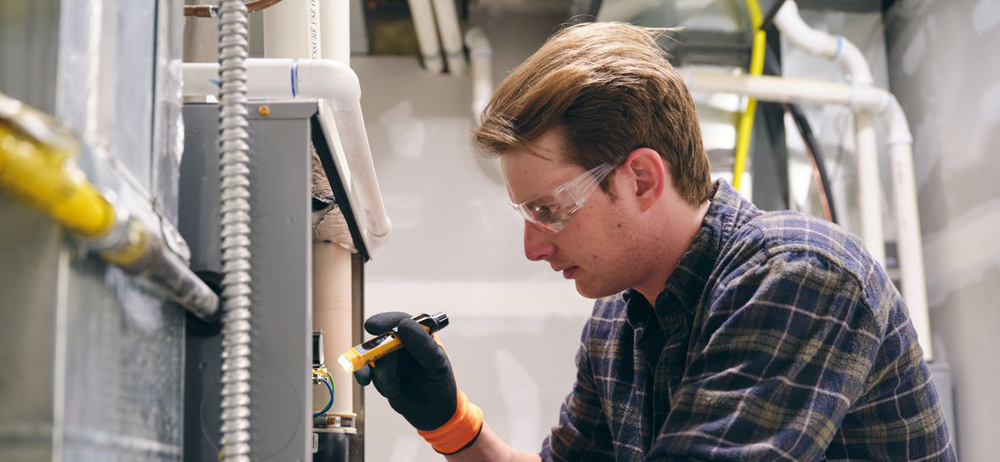
No Heat? We're On Our Way
Emergency Furnace Repair in Elwood, NY
No heat? Our local technicians respond fast to urgent furnace breakdowns in Elwood and Huntington, day or night.
No Heat? We're On Our Way
No heat? Our local technicians respond fast to urgent furnace breakdowns in Elwood and Huntington, day or night.
A complete loss of heat during cold weather needs prompt attention, especially in homes with young children, older adults, vulnerable occupants, or plumbing exposed to freezing temperatures. Elwood Heating Inc. provides urgent furnace troubleshooting for homeowners dealing with no heat, repeated shutdowns, unusual burner behavior, and other serious operating problems.
We prioritize safety before speed. Our technician evaluates the furnace, fuel source, controls, airflow, and venting to determine whether the system can be repaired and operated safely. If a permanent repair cannot be completed immediately, we explain the condition and any reasonable next step. If you smell gas, suspect carbon monoxide, see active fire, or believe someone is in immediate danger, leave the property and contact emergency services or the appropriate utility before calling for furnace repair.
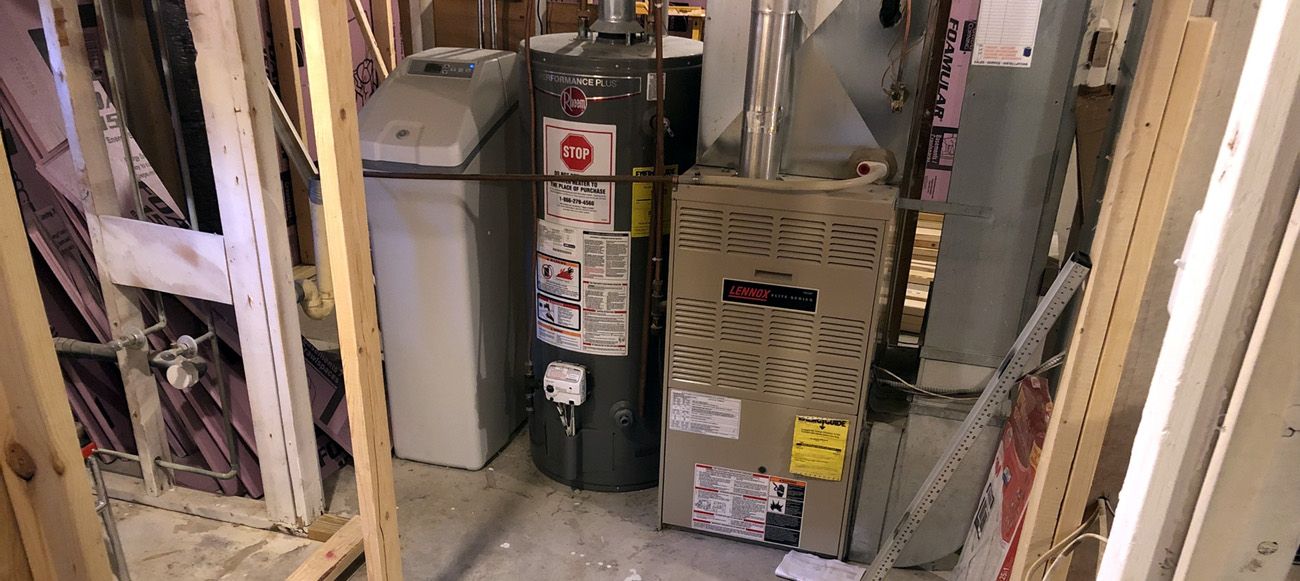
Emergency furnace repair is focused on restoring safe heat and protecting the home from further damage. Because the same symptom can have several causes, we follow the furnace's operating sequence and verify why it stopped. This reduces the chance of a temporary fix that leaves the underlying problem unresolved.
A furnace that does not start may have an electrical issue, failed ignition component, control problem, open safety switch, interrupted fuel supply, or thermostat fault. We trace the call for heat and identify where the sequence stops so the repair is based on testing rather than assumptions.
Repeated shutdowns can be caused by flame loss, overheating, pressure-switch problems, control faults, blocked airflow, or venting concerns. We test the cycle and identify which safety or control is interrupting operation before replacing components.
Delayed ignition, repeated clicking, failed pilot operation, burner lockout, or unreliable flame can prevent the furnace from heating. We inspect the ignition components, burner condition, flame-sensing system, and relevant fuel controls while keeping combustion safety at the center of the diagnosis.
A furnace may produce heat without distributing it when the blower motor, capacitor, control, or wheel has failed. Because inadequate airflow can also overheat the furnace, we evaluate the blower circuit and check for restrictions before returning the equipment to service.
Gas or oil odors require caution. We do not treat odor complaints as routine performance issues. The technician checks appropriate fuel components and advises whether the system should remain off. For a strong gas odor or suspected leak, leave the property and contact the utility or emergency services first.
Banging, grinding, screeching, or repeated booming can indicate loose parts, motor damage, blower problems, duct movement, or ignition concerns. We shut down equipment when needed and inspect the source before recommending continued operation.
When heat is lost during freezing conditions, the furnace repair is only part of the immediate concern. We work to determine whether heat can be restored promptly and encourage homeowners to take appropriate steps to protect vulnerable plumbing while the system is being evaluated.
A carbon monoxide alarm or suspected combustion problem is an emergency. Leave the home, contact emergency services, and follow official safety guidance. Once the property is cleared for entry, a heating technician can evaluate the furnace, venting, and combustion-related components.
| Service | Typical Range | Average |
|---|---|---|
| Urgent diagnostic visit | $175–$350 | $250 |
| Minor emergency repair | $250–$600 | $425 |
| Ignition or safety-control repair | $400–$1,100 | $700 |
| Blower or major component repair | $750–$2,000 | $1,250 |
Emergency timing, parts availability, furnace type, and repair complexity affect final pricing. These figures are broad planning ranges only.
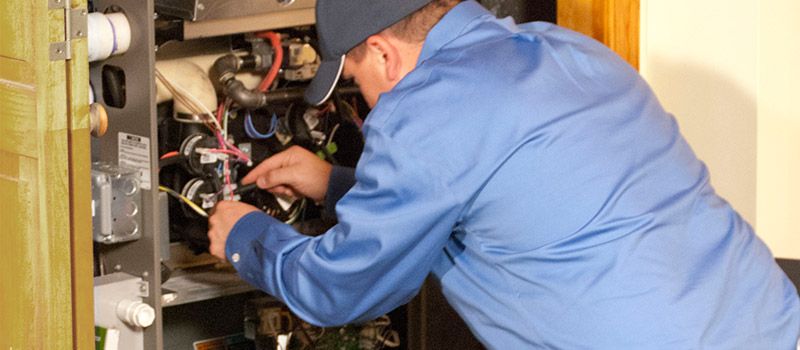
We treat fuel odors, combustion concerns, repeated shutdowns, and unusual operation with the caution they require.
Serving a concentrated area around Elwood and Huntington helps us provide more responsive scheduling.
Our team understands the different controls, burners, ignition systems, and safety concerns associated with both fuel types.
We explain whether the furnace can be repaired immediately, needs a temporary plan, or should remain off until further work is completed.
For an urgent furnace problem, tell us what is happening and whether the home currently has heat.
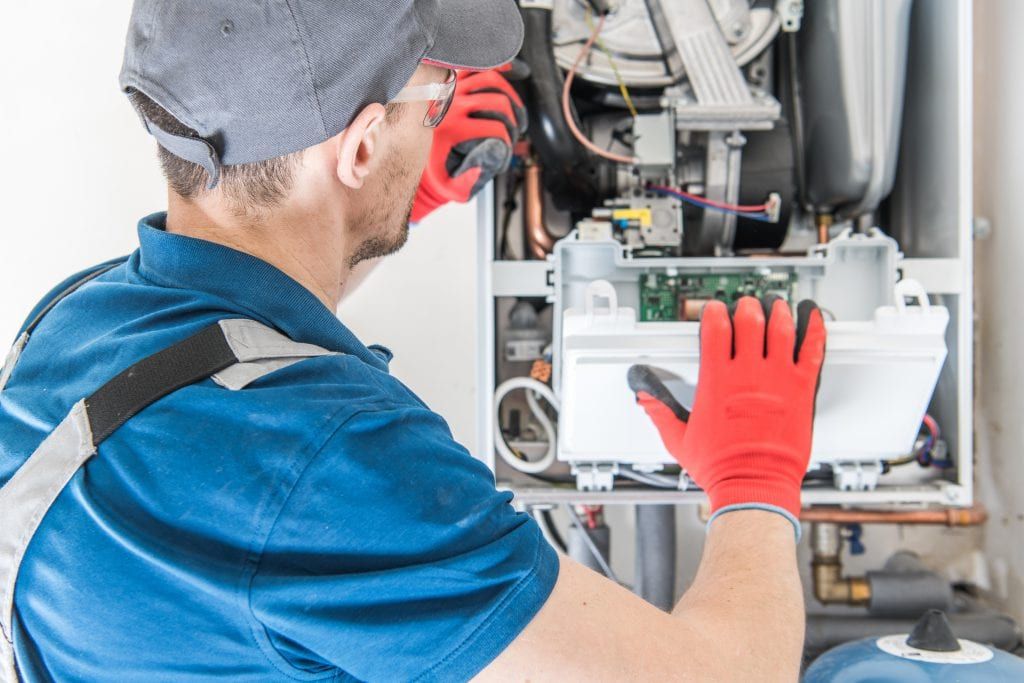
Tell us whether you have no heat, unusual odors, repeated shutdowns, loud noises, an alarm, or another urgent concern.
For a suspected gas leak, carbon monoxide event, fire, or immediate danger, leave the property and contact emergency services or the utility first.
The technician checks the failed operating sequence, fuel system, electrical controls, airflow, venting, and safety devices.
We explain the cause, the work required, available parts, and whether the furnace can be operated safely.
After approved repairs, we run the furnace through a complete cycle and verify heat delivery and safety operation.
When additional service is needed, we outline the next step so you are not left guessing about the condition of the system.
A complete loss of heat during cold weather, fuel odors, a carbon monoxide alarm, repeated shutdowns, or loud banging and grinding all justify an urgent call. When in doubt during freezing weather, treat a no-heat condition as an emergency.
Yes. Our phone is answered around the clock for no-heat emergencies in Elwood and Huntington. Call (631) 759-8690 any time, day or night.
Keep interior doors open so warmth circulates, run space heaters safely away from anything flammable, and let faucets drip if pipes may freeze. If you smell gas or a carbon monoxide alarm sounds, leave the home first and call 911 or your utility.
Because our service area is intentionally small, we can usually respond quickly, often the same day. Exact timing depends on weather and call volume, and we give you an honest arrival window when you call.
After-hours response can affect the price, and we tell you exactly what to expect before any work begins. There are no surprise charges. Call for a quote when you describe the problem.