Gas Furnace Specialists
Gas Furnace Repair in Elwood, NY
Accurate gas furnace diagnostics for ignition, burner, blower, airflow, and control problems.
Gas Furnace Specialists
Accurate gas furnace diagnostics for ignition, burner, blower, airflow, and control problems.
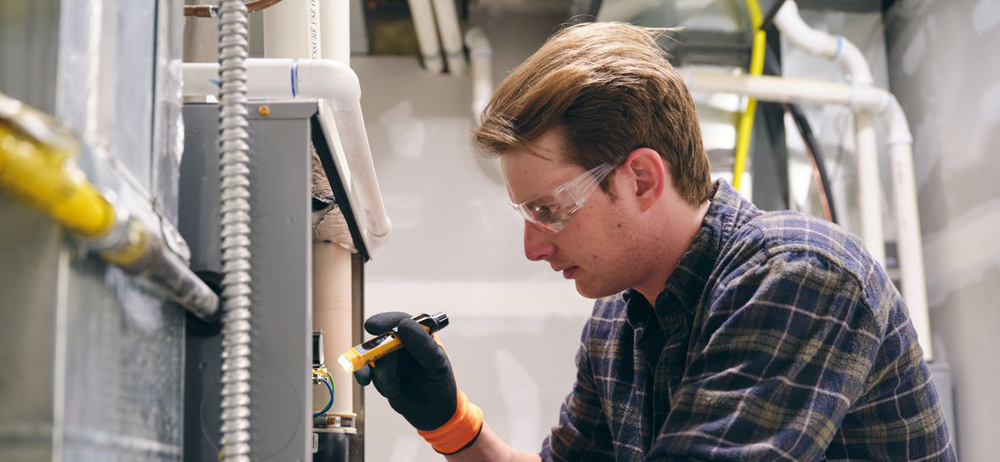
Modern gas furnaces rely on a precise sequence of thermostat signals, safety checks, ignition, gas flow, flame verification, heat transfer, and blower operation. A failure at any point can stop the furnace or cause it to shut down shortly after starting. Elwood Heating Inc. tests that sequence to identify the actual cause of the problem.
Our technicians repair common gas furnace issues in homes throughout Elwood and Huntington, including ignition failure, flame-sensor trouble, pressure-switch faults, blower problems, overheating, thermostat concerns, and control-board issues. We explain what the furnace is doing, what failed, and whether another system condition contributed to the failure.
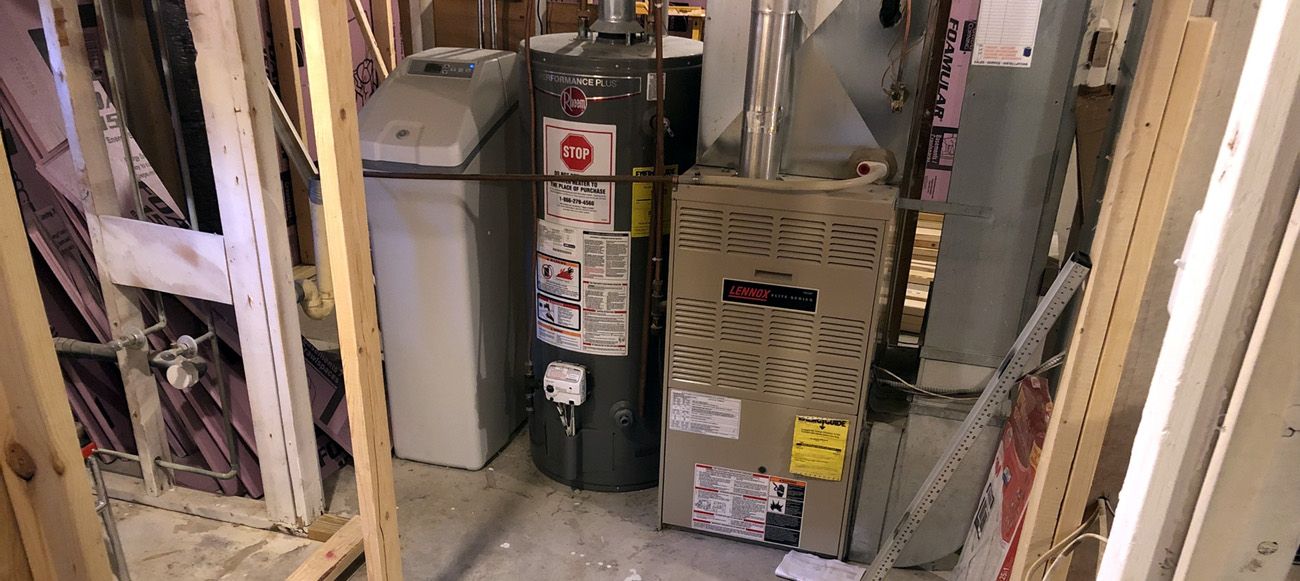
Gas furnace repair requires attention to both performance and combustion safety. We do not bypass safety devices or treat repeated lockouts as an inconvenience. When the furnace shuts itself down, we determine what condition triggered that response and correct the cause whenever possible.
A cracked, worn, or electrically failed igniter can prevent the burners from lighting. We test the ignition signal and component rather than replacing the igniter automatically, since control, wiring, pressure, and sequence problems can create similar symptoms.
When the burners light and shut off within seconds, the furnace may not be proving flame correctly. The flame sensor can be dirty, damaged, poorly grounded, or affected by another burner condition. We inspect and test the circuit before recommending a repair.
Pressure switches help verify that the inducer and venting conditions are appropriate before ignition. A switch-related error may come from the switch, tubing, condensate, inducer, intake, exhaust, or another condition. We test the system rather than assuming the switch itself is defective.
Burners that do not light properly, light unevenly, or shut down may involve control signals, gas-valve operation, burner condition, or ignition alignment. Fuel-system work is performed carefully, with attention to safe startup and shutdown.
The blower may fail to start, run at the wrong time, make noise, or stop intermittently. We evaluate the motor, capacitor where used, wheel, control signals, wiring, and airflow conditions before determining the appropriate repair.
A high-limit switch may open when the furnace becomes too hot. Common contributors include clogged filters, restricted ducts, weak blower performance, incorrect settings, or equipment issues. Resetting the furnace without correcting the overheating condition can lead to repeated shutdowns.
The control board coordinates much of the furnace sequence, but error lights do not always mean the board has failed. We verify incoming signals, outgoing commands, connected components, and wiring before recommending a board replacement.
Intermittent heat may originate with thermostat settings, low-voltage wiring, loose connections, zoning controls, or the furnace itself. We trace the call for heat and confirm where communication is lost.
High-efficiency furnaces produce condensate that must drain correctly. Blocked traps, frozen lines, pump failures, or poor drainage can stop furnace operation. We inspect the drainage path and related safety controls when symptoms point to a condensate issue.
A strong gas odor, carbon monoxide alarm, visible soot, or suspected combustion problem requires immediate caution. Leave the home and contact emergency services or the gas utility when appropriate. Furnace service should begin only after the property is considered safe to enter.
| Service | Typical Range | Average |
|---|---|---|
| Gas furnace diagnostic | $125–$250 | $185 |
| Ignition or flame-sensor repair | $250–$650 | $425 |
| Pressure or control repair | $400–$1,100 | $700 |
| Blower motor or major repair | $750–$2,000 | $1,250 |
Final cost depends on furnace model, part availability, access, repair complexity, and any related airflow, venting, electrical, or fuel-system condition.
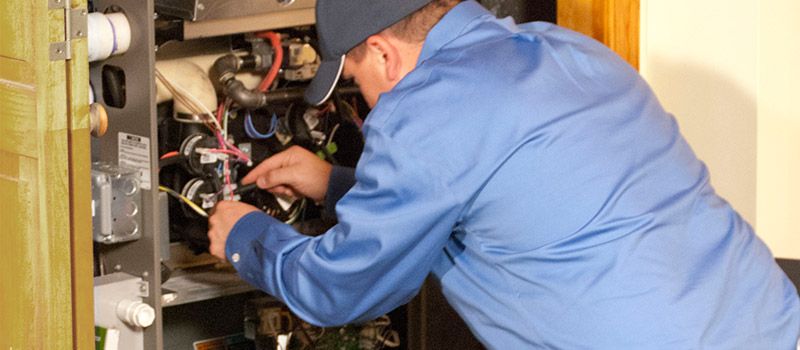
We follow the furnace's complete startup and heating sequence to locate the point of failure.
We do not bypass switches or controls designed to protect the home and equipment.
A failed component may be the result of airflow, drainage, venting, or electrical conditions, so we look beyond the part itself.
You receive understandable information about the repair, the furnace condition, and any reliability concerns.
Get a careful diagnosis for your gas furnace without guesswork or unnecessary replacement pressure.
We ask when the problem occurs, whether the furnace displays an error, and what you hear or see during startup.
The thermostat, electrical supply, filter, access panels, fuel availability, and visible system condition are reviewed.
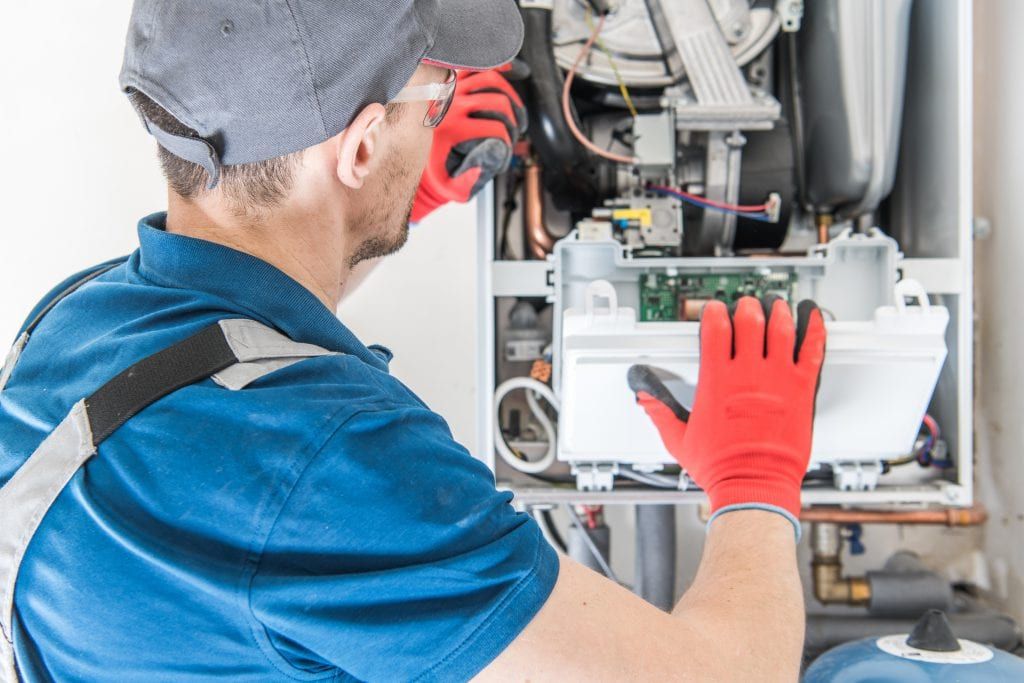
We observe the inducer, pressure verification, ignition, gas valve, burners, flame signal, blower, and shutdown.
Electrical readings, control signals, temperatures, airflow, and component operation are checked as appropriate.
We explain the cause, required work, expected cost, and any condition that may affect future reliability.
After approved work, the furnace is run through a full cycle and relevant safety functions are confirmed.
Repeated clicking usually means the igniter is sparking without establishing flame. Causes include a failed igniter, a dirty flame sensor, a gas-valve or pressure-switch fault, or a control problem. We test the sequence to find the exact failure point.
Short run cycles often trace to a flame-sensing problem, overheating from restricted airflow, or a safety limit opening. The furnace is protecting itself, so the underlying condition should be corrected rather than reset repeatedly.
No. A lockout means a safety check failed. Clearing it over and over without fixing the cause defeats protections designed to prevent unsafe operation. Have the fault diagnosed.
The blink pattern is a diagnostic code pointing to a fault area, such as ignition failure or a pressure-switch problem. The code narrows the search, but the flagged component still needs testing because codes often reflect symptoms, not causes.
Leave the house right away without touching light switches, then call your gas utility or 911 from outside. Once the property is cleared, we can inspect the furnace and gas components and complete any needed repair.