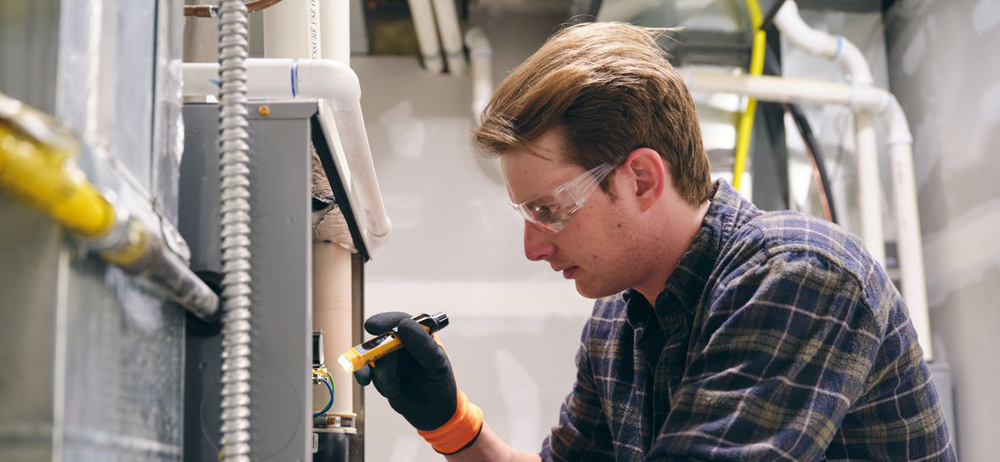
Upgrade to Reliable, Efficient Heat
Furnace Replacement in Elwood, NY
Honest furnace replacement planning and professional new furnace installation for Elwood and Huntington homes.
Upgrade to Reliable, Efficient Heat
Honest furnace replacement planning and professional new furnace installation for Elwood and Huntington homes.
Furnace replacement is an important home decision, and the right choice involves more than selecting a familiar brand or matching the size of the old unit. The new furnace should fit the home's heating load, duct system, fuel type, venting, electrical service, comfort goals, and available installation space. Elwood Heating Inc. evaluates these factors before recommending equipment.
Installation lead Luis Herrera oversees our replacement work with support from founder and service manager Frank DeLuca. Together, they review the existing system, identify any conditions that could limit performance, and explain the available options without pushing unnecessary upgrades. Our goal is a furnace that heats reliably, operates safely, and works well with the rest of the home.
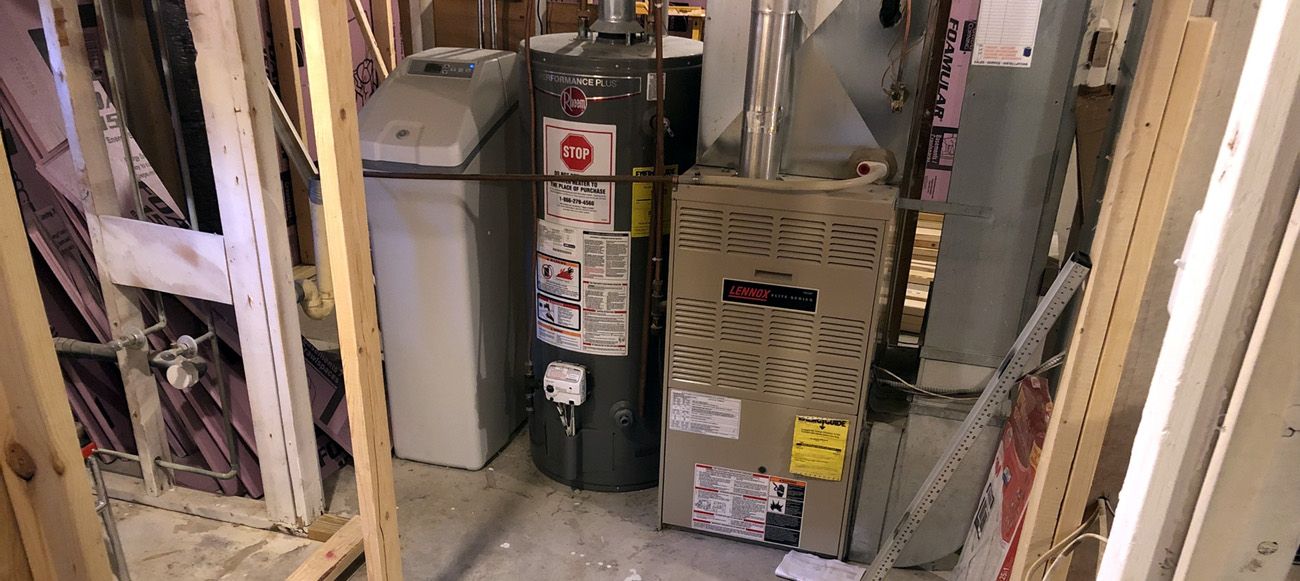
Not every older furnace needs immediate replacement. A repair may still be reasonable when the system is safe, the failed part is available, and the overall equipment remains dependable. Replacement becomes more practical when repairs are frequent, major components are failing, efficiency is poor, comfort is inconsistent, or the furnace has serious condition concerns.
Several repairs over a short period can signal broader equipment wear. We review the recent repair history, current failure, and likely condition of major components. This helps you compare another repair with the longer-term value of installing a new system.
A failed heat exchanger, blower assembly, control system, or other high-cost component can change the repair-versus-replace calculation. We explain the role of the failed part, the likely repair cost, and whether the remaining furnace is likely to justify that investment.
A furnace that leaves rooms cold, creates large temperature swings, or runs constantly may be improperly sized, poorly configured, or affected by duct and airflow problems. Replacement planning should account for these conditions rather than assuming a new furnace alone will solve them.
Higher heating bills can result from colder weather, fuel prices, air leakage, duct losses, deferred maintenance, or declining furnace performance. We consider the complete picture before presenting efficiency improvements as a reason for replacement.
Oversized equipment can cycle too quickly, while undersized equipment may struggle during colder weather. We evaluate the home's characteristics and existing system performance to recommend an appropriate capacity instead of automatically copying the old furnace size.
Gas and oil furnaces have different burner, fuel-delivery, venting, and installation needs. We inspect the existing configuration and identify changes that may be required for the selected equipment to operate safely and correctly.
A new furnace depends on the duct system to move air. We examine accessible supply and return conditions, filter arrangements, blower requirements, and known comfort issues. Necessary airflow corrections are discussed before installation rather than discovered after the new equipment is running.
Equipment selection matters, but installation has a major effect on reliability and comfort. Our replacement work emphasizes secure connections, proper drainage where applicable, organized wiring, accessible service points, clean transitions, and complete startup testing.
We plan how the old furnace will be disconnected and removed, especially in tight basements, utility rooms, and older homes. The work area is protected, replaced materials are handled appropriately, and the mechanical space is left orderly.
After installation, we review thermostat operation, filter access, routine maintenance, and normal system behavior. You should know how to operate the furnace and what to watch for before the first full heating season.
| Service | Typical Range | Average |
|---|---|---|
| Standard gas furnace replacement | $6,500–$11,500 | $8,500 |
| High-efficiency gas furnace replacement | $8,500–$15,000 | $11,500 |
| Oil furnace replacement | $8,000–$15,500 | $11,750 |
| Complex replacement with system modifications | $11,000–$20,000 | $15,000 |
Replacement pricing varies with capacity, efficiency, fuel type, venting, access, permits, controls, duct modifications, and other site conditions. A home evaluation is required for a firm quote.
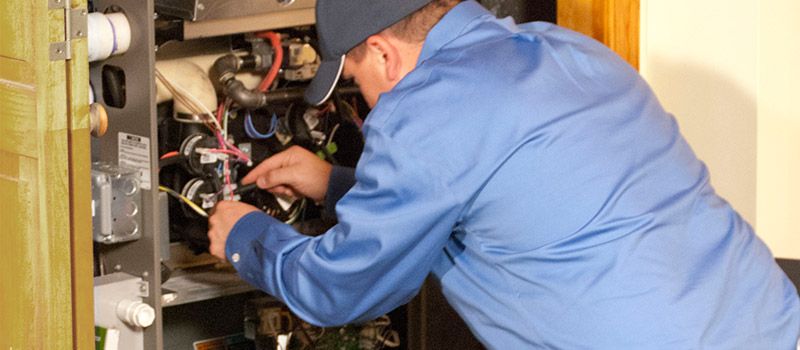
We consider the home, ductwork, fuel system, comfort concerns, and existing installation before recommending equipment.
Luis Herrera oversees replacement projects and focuses on clean workmanship, proper setup, and serviceable equipment placement.
When a reasonable repair remains the better choice, we say so. Replacement is presented when the condition supports it.
We test the installed furnace, controls, airflow, temperature response, and safety operation before the project is considered complete.
Start with an in-home furnace evaluation and a clear replacement recommendation.
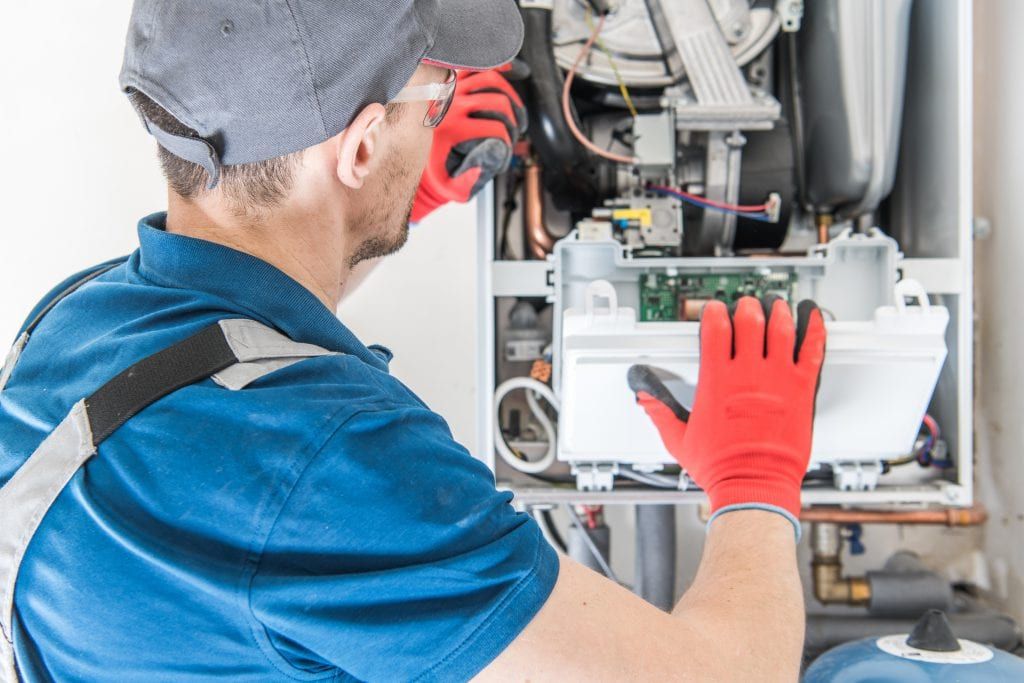
We inspect the current furnace, fuel supply, venting, electrical connections, thermostat, ductwork, access, and mechanical space.
You tell us about cold rooms, noise, operating costs, reliability concerns, and any planned changes to the home.
We present options that fit the home and explain differences in capacity, efficiency, controls, and installation requirements.
The team confirms materials, protects the work area, coordinates required details, and plans removal of the old furnace.
We complete equipment placement, connections, transitions, controls, venting, drainage, and other approved work.
The furnace is started, measured, adjusted, and checked through a complete operating cycle.
We review thermostat settings, filter care, maintenance timing, and the normal sounds and cycles of the new system.
Most straightforward replacements are completed in a single day. Jobs that involve venting changes, duct modifications, or fuel conversions can take longer, and we give you a clear schedule before the work starts.
Age, repair frequency, a major component failure such as a heat exchanger, poor efficiency, and inconsistent comfort all factor in. We compare the repair cost against the furnace's likely remaining life so you can decide with real information.
Sizing should be based on your home's actual heating load, not simply copying the old unit. An oversized furnace short cycles and an undersized one struggles on the coldest nights, so we evaluate the house before recommending capacity.
Often yes, depending on gas availability at your street and the venting and piping work required. We evaluate the property, explain the steps involved, and help you weigh the conversion against a like-for-like replacement.
Yes. Removal and disposal of the old equipment is part of our replacement process, along with protecting the work area and leaving the mechanical space clean.
A modern high-efficiency furnace can meaningfully reduce fuel use, but ductwork condition and home insulation matter too. We give you an honest picture of the savings you can expect rather than an inflated promise.